S.O.M.E. Networking Dubai 2025: Where Machines Began to Trade, a letter from the Co-Founder

Written by Merlin M. Ostermann, Co-Founder at Arkreen Network
TL;DR - S.O.M.E. Networking Dubai convened a tightly curated room of builders, investors and operators to move the machine economy from theory to revenue. Hosted at W Motors HQ, the event delivered crisp keynotes, live demos and pragmatic capital conversations. The result was not hype, but a clear map of near-term pilots, funding pathways and integration work that will define the next 18 months of DePIN, machine wallets and Machine RWA.
Opening and context
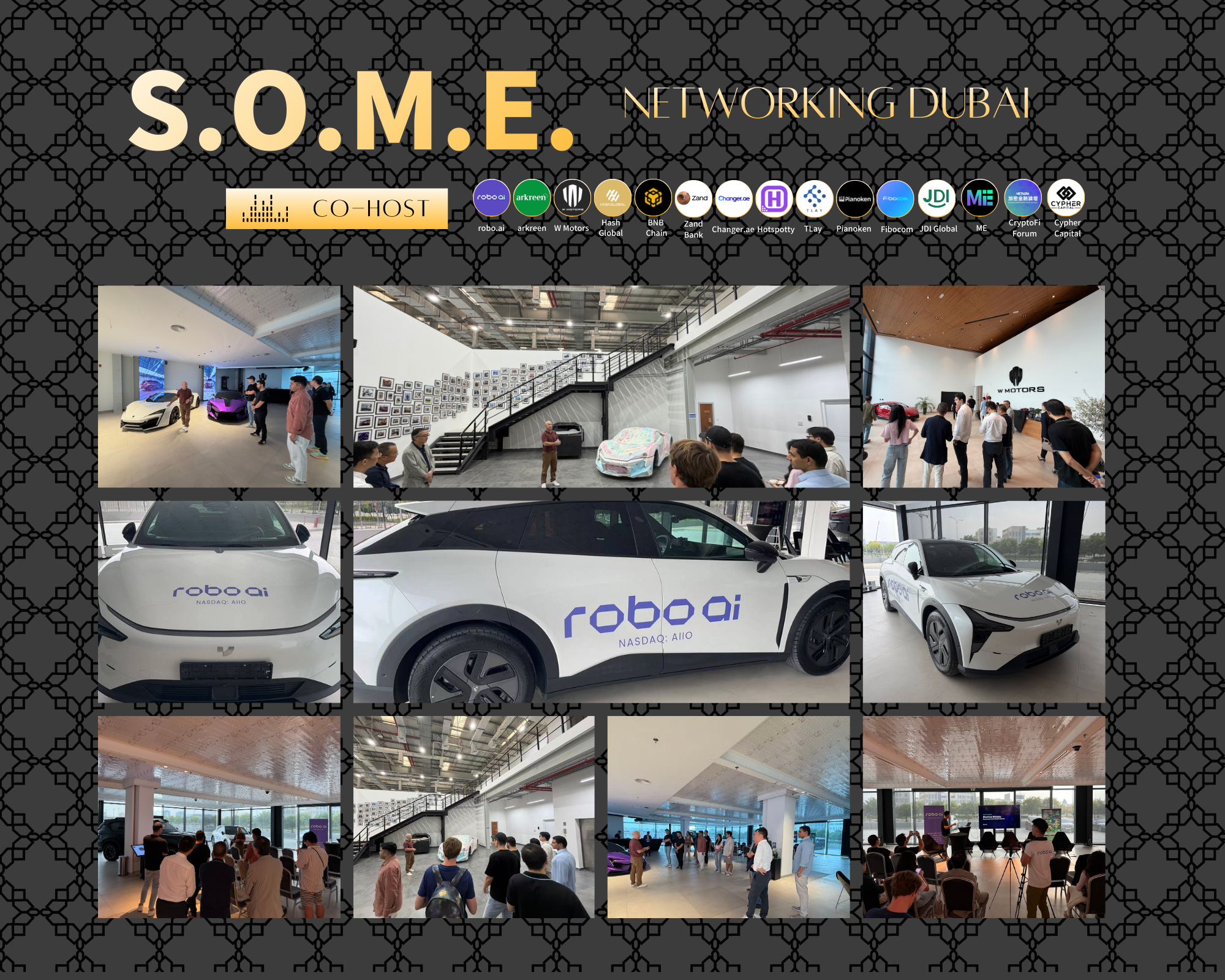
Two days after the event I, Merlin, am still parsing the signal. The setting could not have been more appropriate: W Motors HQ provided the right mix of heritage and industrial intimacy, a venue that matched the event’s thesis - physical machines meeting financial rails. Attendance was selective, senior and operational, which meant conversations were tactical rather than speculative. That focus is rare and valuable.
What actually happened
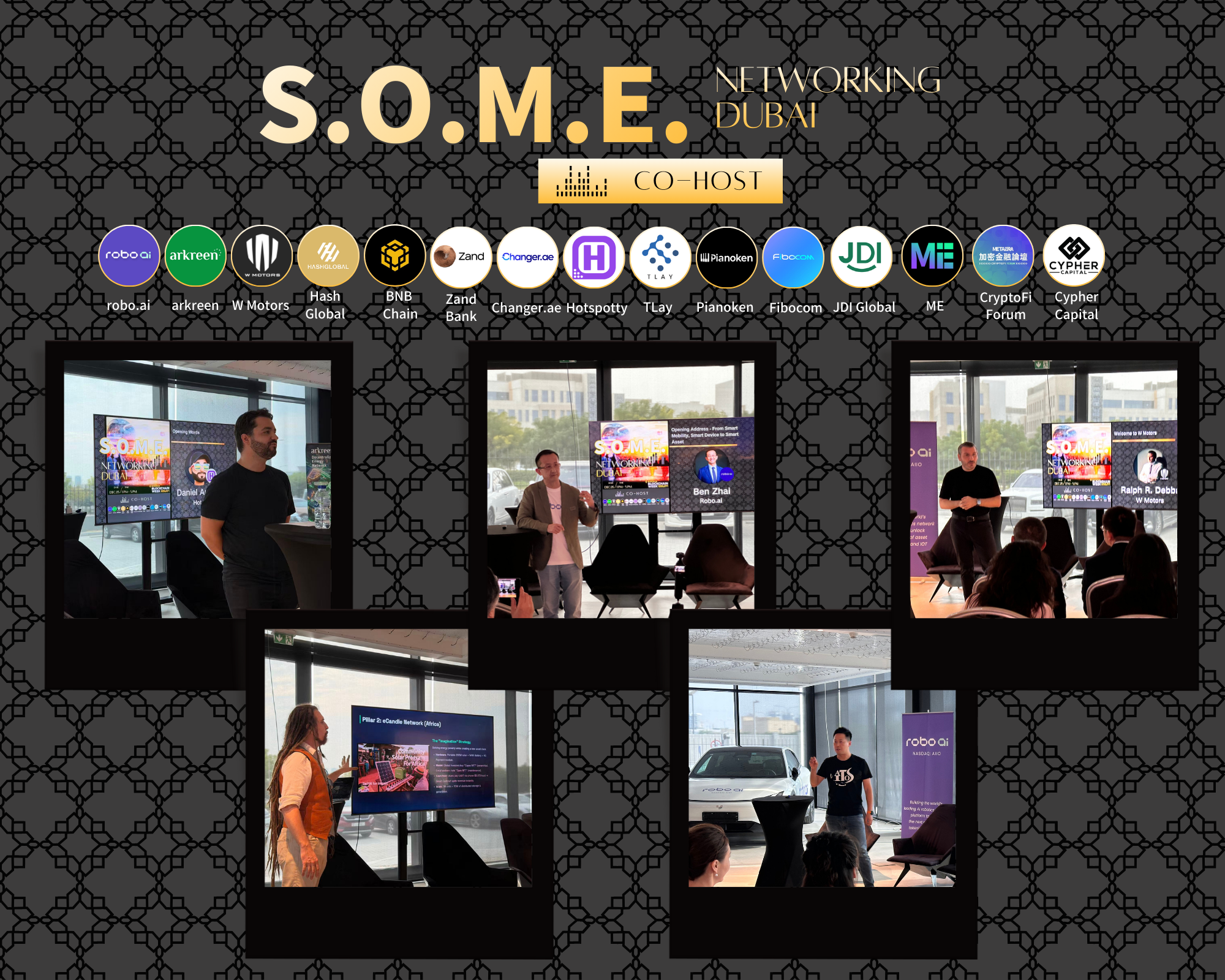
- Keynotes that set the tone. Benjamin Zhai framed the shift from smart mobility to smart assets, and Leo Lin articulated how machine wallets will rewire commerce. My own keynote focused on energy-aware DePIN RWA, emphasizing how energy flows and tokenized cash flows must be designed together if machines are to be credible collateral. Each talk was sharp, dense and actionable.
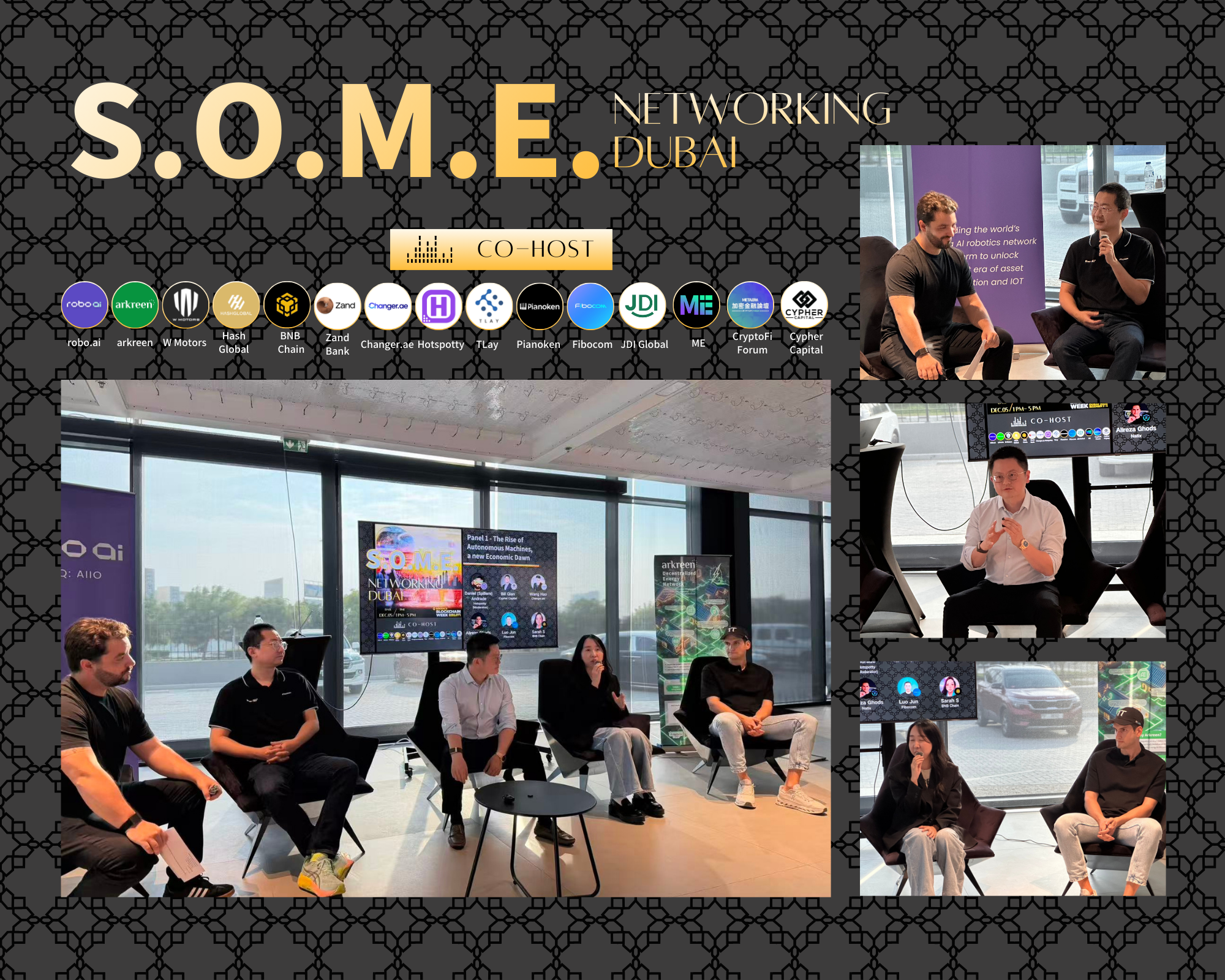
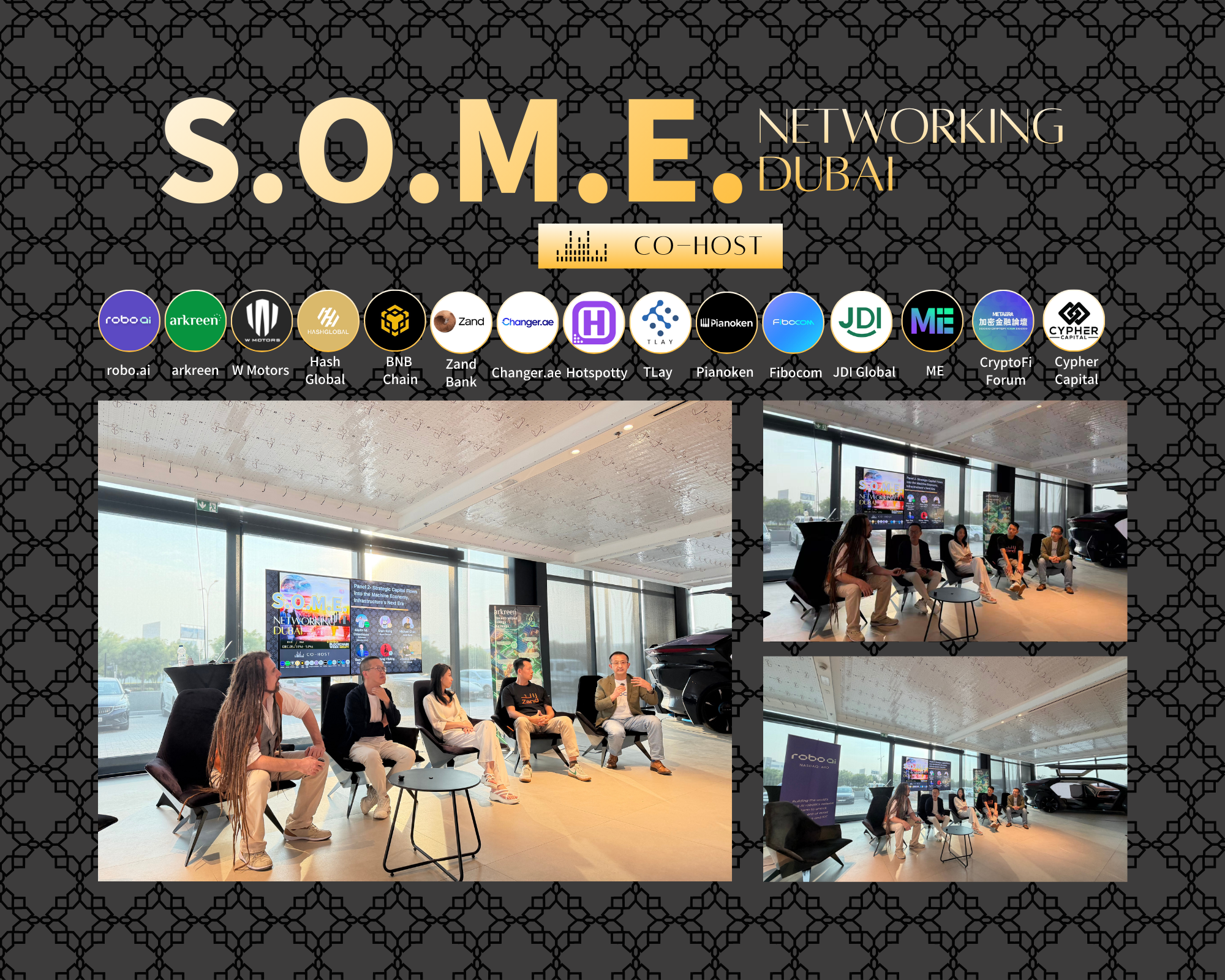
- Panels that cut to capital and deployment. The Rise of Autonomous Machines panel moved beyond robotics as novelty, centering on revenue models and task marketplaces. The Strategic Capital Flows panel, which I moderated, surfaced concrete investor criteria for machine-backed RWA and the operational metrics that matter to lenders and family offices.
- Live demos and signed pilots. This was not a demo fair. We saw machine-to-machine payments in action, and the teams left the stage with pilot commitments or clear next steps toward live deployments. The x402 demonstrations were particularly instructive, showing sub-second, low-cost cross-chain payments between devices.
Notable themes and takeaways
- Machine identity plus finance equals utility. Identity, non-custodial wallets and predictable cash flows are the three primitives that convert hardware into investable assets. Without all three, machines remain expensive toys.
- Energy is the differentiator. Projects that pair tokenomics with energy-aware operations (solar, residential or the eCandle targeted deployment, energy arbitrage) are the ones investors asked me personally about first. Energy-aware RWA reduces counterparty risk and improves loan-to-value math.
- Standards matter now, not later. x402 is being discussed as the TCP/IP moment for machine payments. Interoperability and predictable settlement are prerequisites for scale.
- From demo to revenue requires ops discipline. Several experts in the field gave feedback on deployment playbooks, maintenance economics and regulatory clarity. Good tech needs equally good ops to be investable.
- Capital is patient but conditional. Strategic investors at the event signaled willingness to fund pilots, provided teams can demonstrate predictable revenue, clear upgrade paths and credible collateralization of future cash flows.
The room, the vibe, the value
W Motors HQ added a layer of exclusivity, heritage and legacy. The Lykan HyperSport in the lobby was a reminder that engineering and brand still matter. More importantly, the audience composition - senior product leads, infrastructure deployers, and capital allocators - made introductions meaningful. Conversations were short, direct and outcome-oriented, which is exactly what infrastructure builders need.
What I heard from the market
- Operators want standards that reduce integration friction, not more bespoke stacks.
- Banks and regulated lenders are open to machine RWA when the underlying revenue is energy-linked or tied to essential services.
- Robotics teams must show unit economics at scale, not just capability demos.
- DePIN projects with clear maintenance and upgrade economics attract the most constructive questions.
Practical next steps we left the room with
- Pilot commitments: Teams agreed to pilots that pair x402 payments with energy-backed RWA.
- Data contracts: Operators will standardize telemetry and revenue reporting to satisfy lenders and tokenizers.
- Integration sprints: Short, funded engineering sprints to connect machine wallets to existing payment rails and lending protocols.
- Regulatory outreach: A small working group will map compliance requirements for machine finance across key jurisdictions.
But wait, there is more...
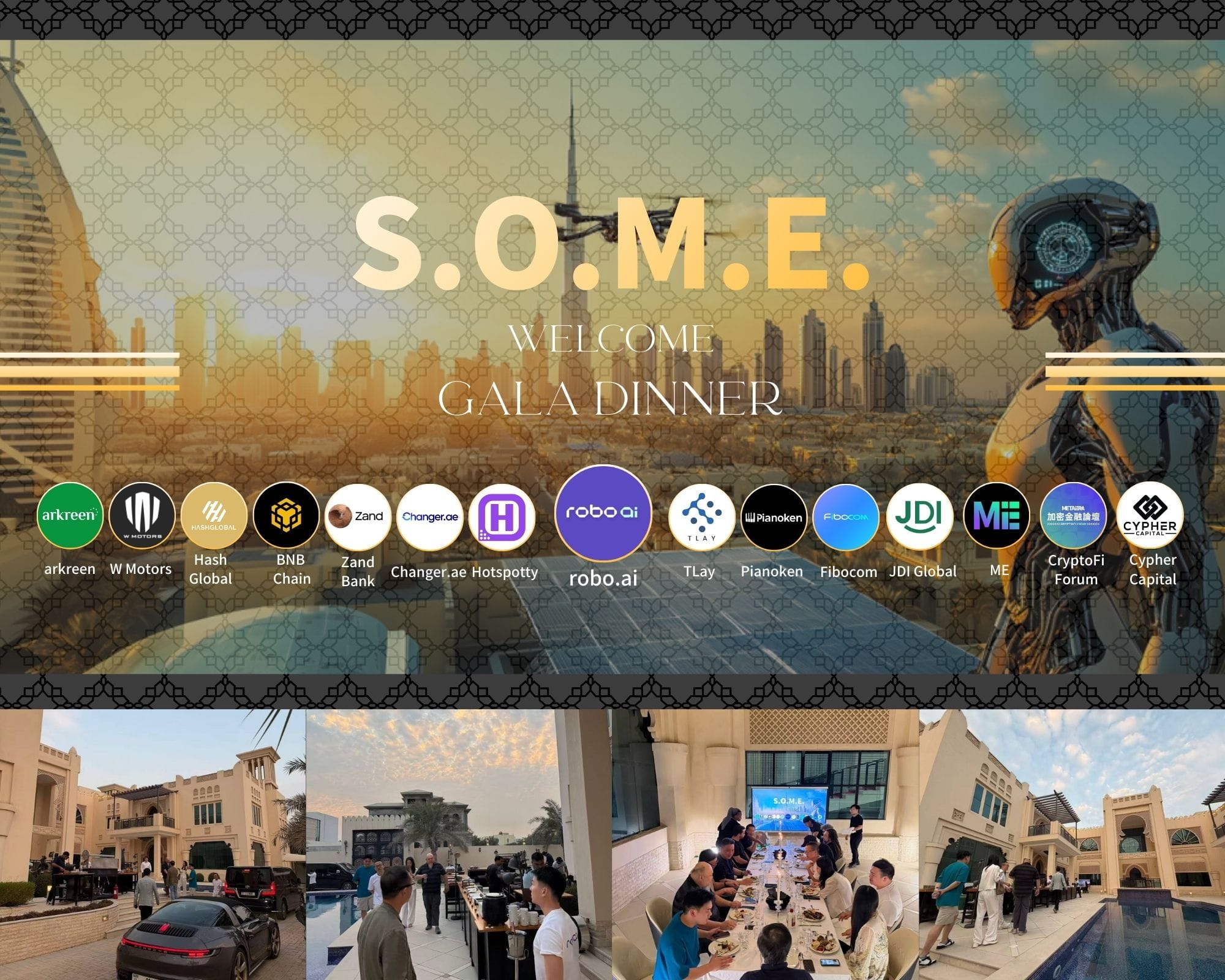
The core theme of this post — moving the machine economy from theory to revenue through standards, energy-aware tokenomics and disciplined ops — carried straight through into the evening: Roboai hosted an intimate gala dinner at an exclusive location, inviting the major participants into a setting built for ambience and extended networking. Over dinner, conversations deepened from slide decks to concrete coordination: follow-up discussions seeded pilot timelines, partnership frameworks and working groups that will produce deliverables, not just future meetups. That night made clear that the event’s value extended beyond presentations; commitments were sketched, responsibilities assigned, and momentum accelerated. Actions are louder than words.
Final assessment
S.O.M.E. Networking Dubai was not a festival of ideas, it was a working session for infrastructure. The event validated that the machine economy is no longer a speculative future, it is a set of solvable engineering, finance and operational problems. The next phase is execution - pilots, measurable KPIs and capital that moves when risk is demonstrably reduced.For those who attended, the value was immediate. For those who missed it, the takeaway is simple: if you are building machines that will earn, spend or borrow, align your tokenomics with energy and ops from day one. That is where capital will flow.