Energy Paradigm Shift and the Future of Computing: The Green Opportunity of Bitcoin Mining


At WDMS2025 in Las Vegas, Arkreen founder Leo Lin delivered a keynote on "Energy Paradigm Shift and the Future of Computing: The Green Opportunity of Bitcoin Mining." The talk explored how Bitcoin mining can drive renewable energy adoption and grid innovation.
Read the full speech below:
Hey everyone! My name is Leo Lin, founder of Arkreen. So honored to be here at the 2025 World Digital Mining Summit.
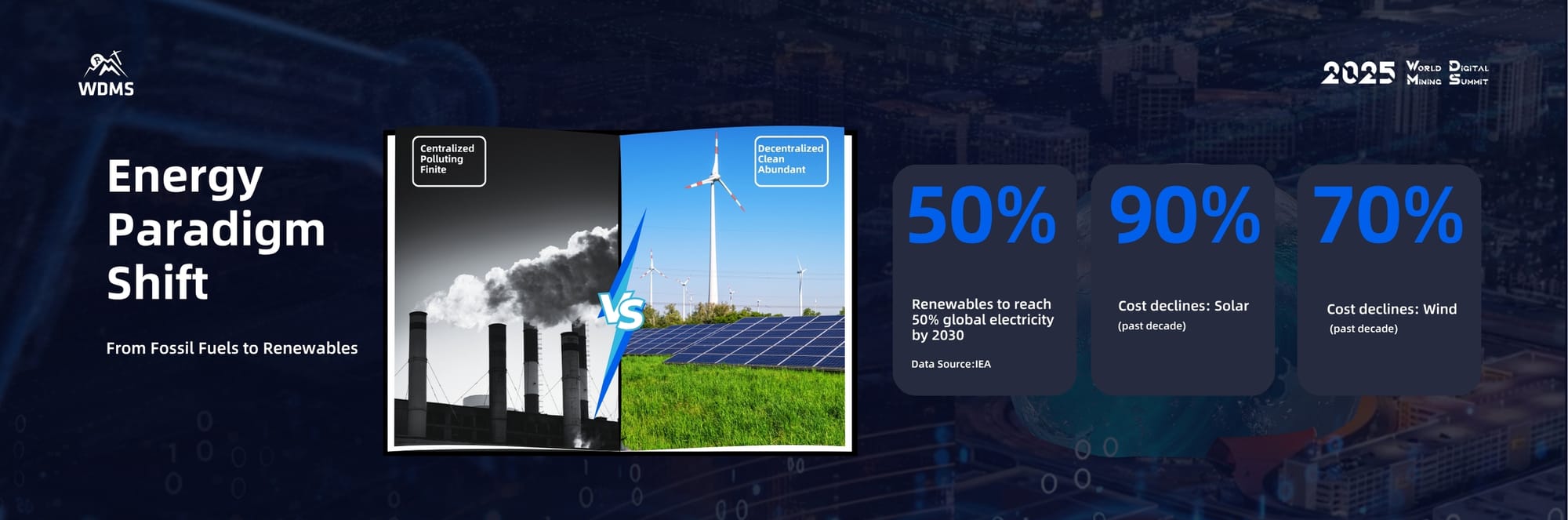
We’re in the middle of an energy and computing revolution. Computing runs our digital world—data centers for the cloud, AI shaking things up, and blockchain keeping Bitcoin secure. That consumes tons of energy. At the same time, energy is changing fast. Renewables like solar, wind, and hydro are taking over. Solar’s 90% cheaper than a decade ago, wind’s down 70%. But here is the challenge: renewables are not steady. Is the sun shining? Perfect, power is flowing. At night? Nothing. Is the wind strong? Great. No breeze? Zero. It’s tricky—sometimes there is too much energy, sometimes not enough.
That’s where computing, especially Bitcoin mining, is jumping in. It’s flexible, can move anywhere, and loves cheap energy. Mining turns extra renewable energy into cash while fixing grid headaches. Today, I’ll show you how mining is teaming up with renewables to build a greener, smarter future.
The Energy Paradigm Shift: Why Computing Matters
Let’s dive into the energy shift. For over a century, we’ve built our world on fossil fuels—coal, oil, and natural gas. They’re reliable, for sure, but they’re not clean. Carbon emissions are hurting our planet, and centralized grids are struggling to keep up with today's demands. Now, renewables like solar and wind are rewriting the rules. By 2030, the International Energy Agency predicts renewables will power nearly 50% of global electricity, up from 30% today. That’s massive progress.
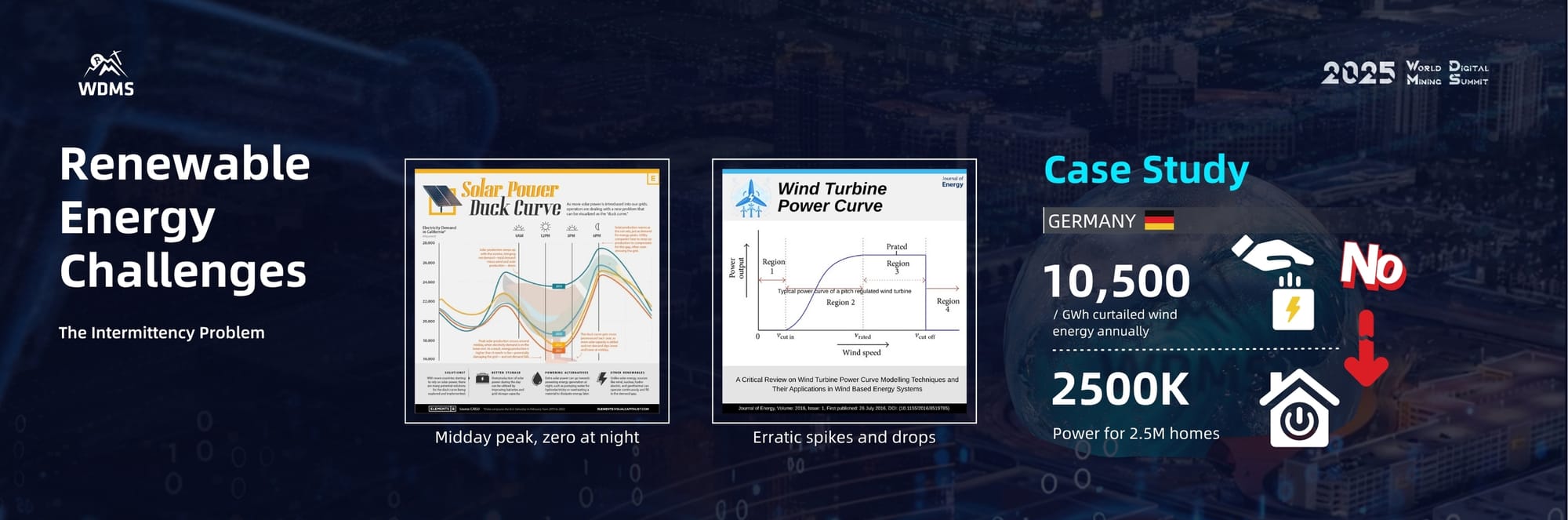
Renewables are awesome, but are not perfect. Solar farms pump out power at noon but shut off at night. Wind turbines spin hard during storms but stop on calm days. This on-and-off problem, called intermittency, means grids often have extra energy they can’t store or use—sometimes they even pay to offload it! In Germany, for example, excess wind power gets “wasted” to the 10,500 gigawatt-hours a year—enough to power 2.5 million homes. But on the flip side, when demand spikes—like during a winter freeze—renewables can not always deliver.
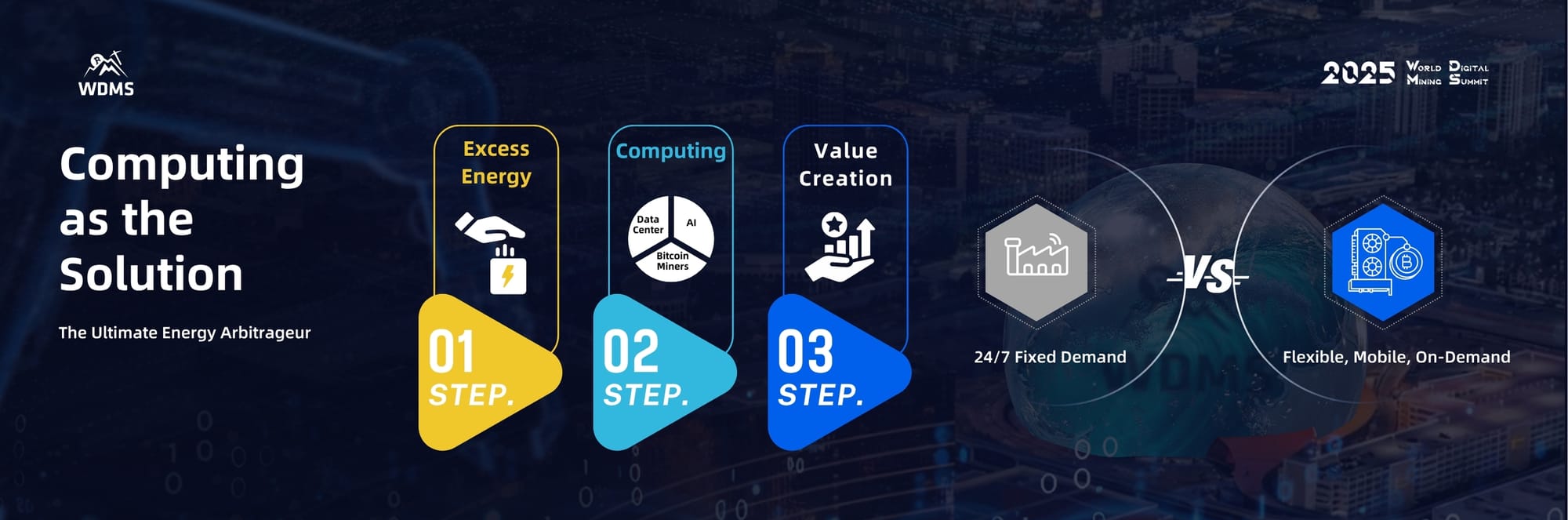
So, how do we bridge the gap and fix this problem? Computing. Unlike traditional industries—say, a steel factory that needs steady power 24/7—computing is super flexible and adaptable. You can turn it up, scale it down, or move it to where the energy is. It’s like a sponge, soaking up extra energy when there’s plenty and stepping back when there’s not. And Bitcoin mining? It’s kind of computing showing the ultimate example of this flexibility. Miners don’t need to be in a city or tied to a factory—they just need electricity and an internet connection. This makes them the perfect partner for renewables, turning wasted energy into something valuable while helping grids stay balanced.
Bitcoin Mining: The Perfect Fit for the New Energy World
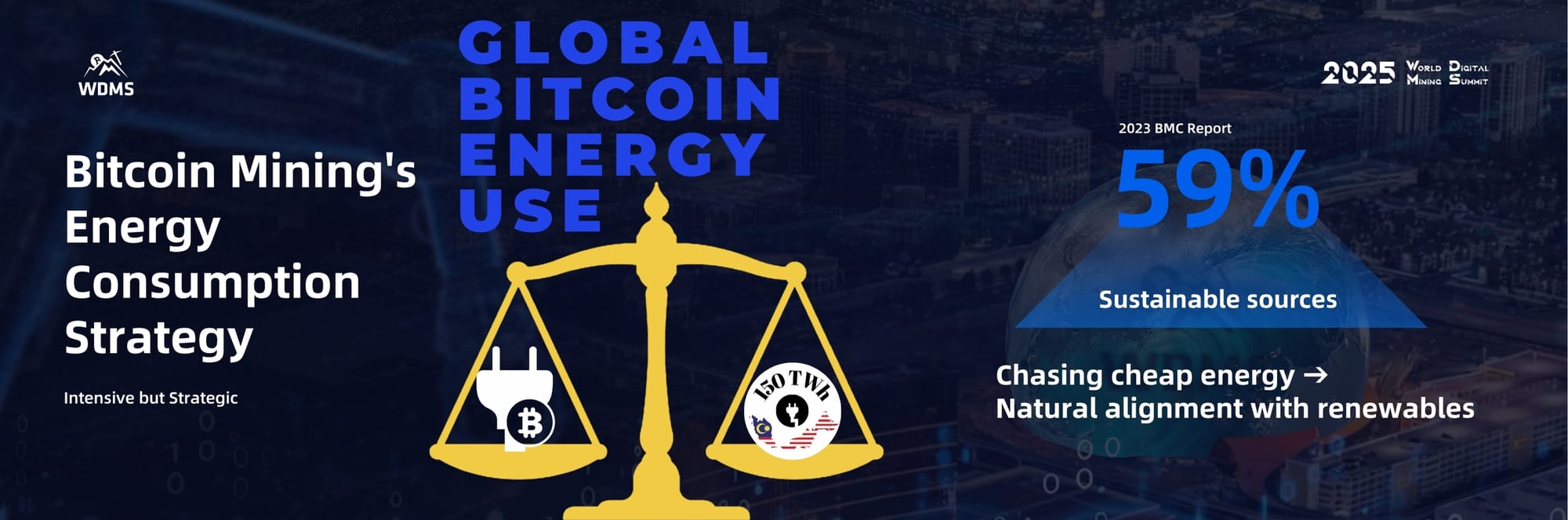
Now, let’s zero in on Bitcoin mining. You all know the basics: it’s energy-intensive, securing the network by solving complex math problems. Critics love to point out that Bitcoin uses as much energy as a small country—about 150 terawatt-hours annually, per the Cambridge Bitcoin Electricity Consumption Index. But here’s what they miss: that energy is not wasted—it’s strategic. Miners chase the cheapest electricity, and today, that is increasingly surplus renewable power.
And the numbers prove it. The recent Bitcoin Mining Council reports that 59% of mining energy came from sustainable sources—higher than most industries. Mining is leading the charge, showing that computing can align with a renewable future.
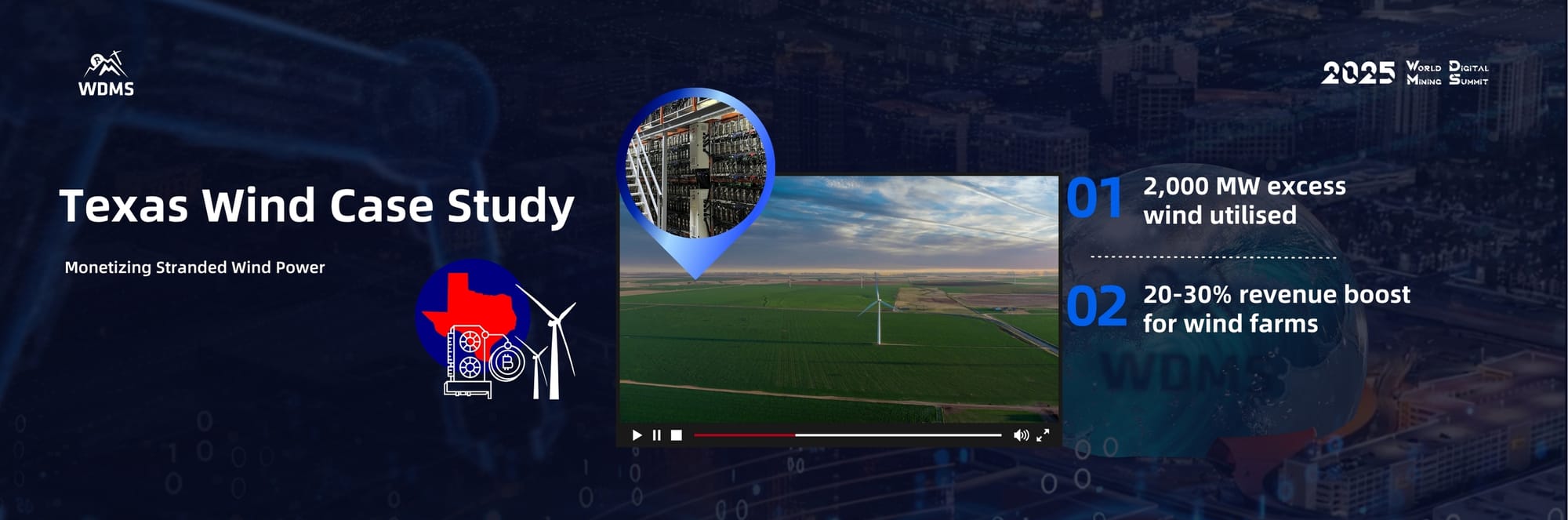
Picture this: a wind farm in West Texas spins at night, producing more power than the grid can take. Usually, that energy is gone—wasted into the air. But Bitcoin miners move in, plug in, and use it to mint new coins. Recently, Texas miners consumed up to 2,000 megawatts of mostly renewable power, much of it excess wind energy. It’s a win-win: miners get cheap energy, and wind farms make more cash. That cash keeps renewable projects alive, making wind and solar more viable even in remote areas.

Check out Iceland. Its geothermal plants tap into volcanic heat for constant, clean power. Bitcoin miners there run on 100% renewable energy, grabbing extra power that’d otherwise sit unused. Similarly, in Canada, hydropower facilities in British Columbia generate surplus electricity during high-flow seasons. Miners have set up operations to monetize this excess hydropower, turning what could be wasted energy into value. These examples show mining’s superpower: it can go where the energy is, no questions asked.
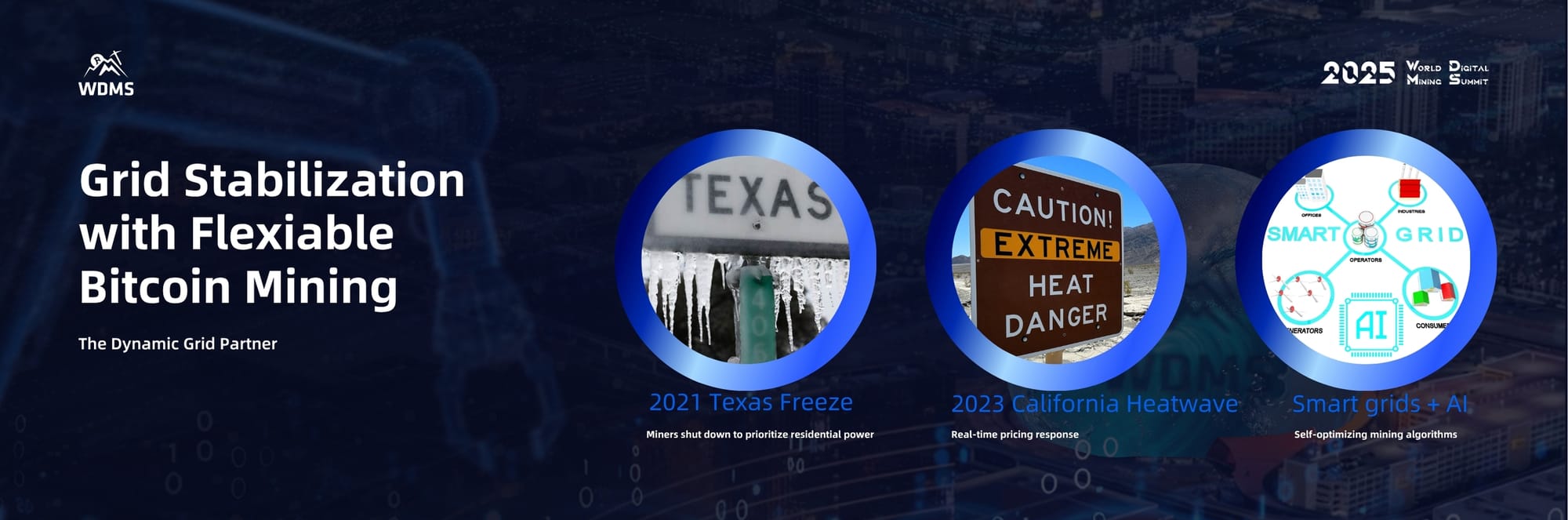
But it’s not just about using cheap power—it’s about stabilizing the grid system. Bitcoin mining is what grid experts call a “flexible load.” Miners can adjust instantly. During Texas’s 2021 winter storm, some miners shut down to free up power for homes, earning goodwill and grid credits. During heatwaves, they’ve done the same, dial down when air conditioners run full blast. As smart grids evolve—with real-time pricing and AI-driven controls—miners can sync even better, ramping up when power is green and cheap, dialing back when it’s not.
Bitcoin Mining: A Catalyst for Renewable Energy
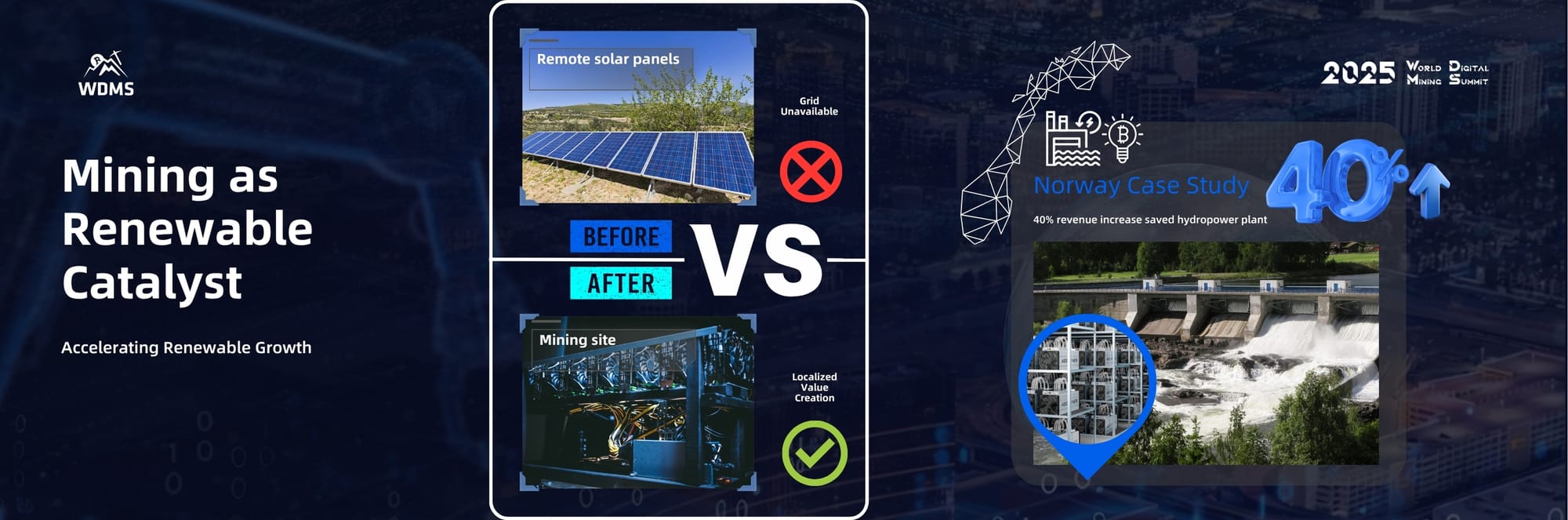
Here’s the cool part: Bitcoin mining is not just using renewables—it’s accelerating their growth. In places with “stranded” energy—think hydropower in Canada’s north or solar in Australia’s outback—transmission lines are too costly to build. Miners step in, set up on-site, and turn that power into profit locally. That demand makes green projects work where they could not before.
Consider a case study from Norway. A small hydropower plant had excess capacity but no buyers nearby. A mining firm moved in, used the surplus, and now the plant’s thriving—100% green, zero waste. In Africa, companies are powering Bitcoin miners with micro-hydropower, bringing electricity to rural villages as a public good. These stories show a pattern: mining creates a market for renewables, driving investment and innovation.
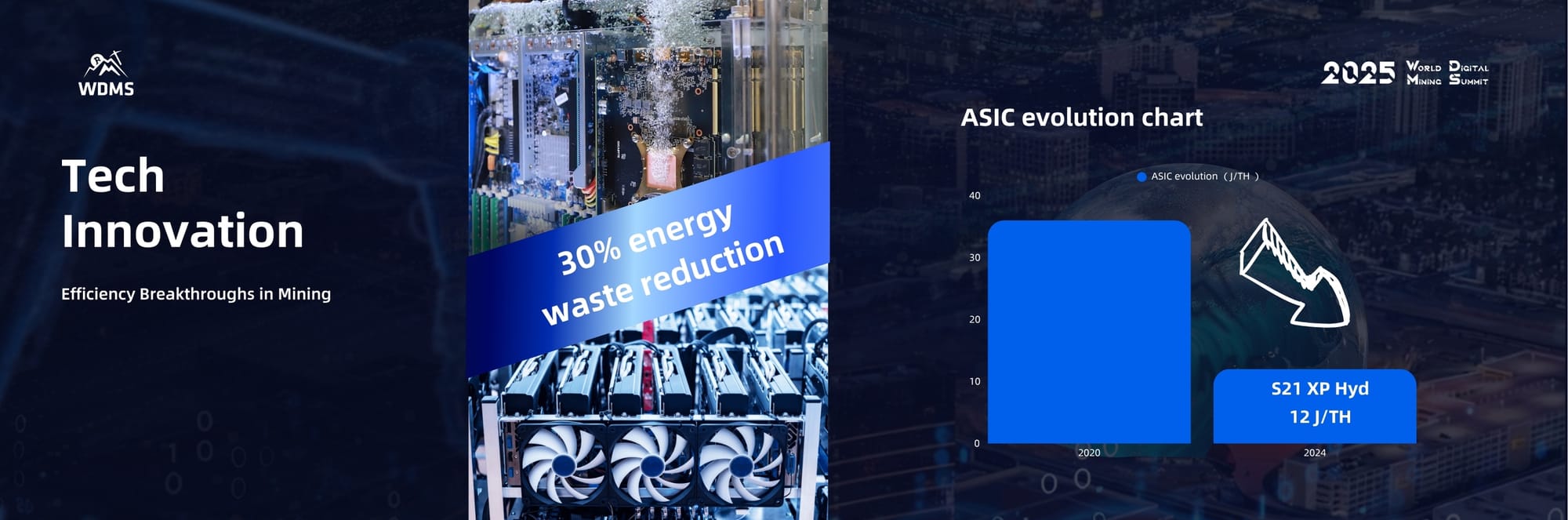
Tech advances amplify this. New ASIC chips use 30% less power than older models, and immersion cooling cuts energy waste further. Pair that with renewables, and you’ve got a super-efficient, green mining machine. It’s a win-win loop: more mining pulls in more renewable power, which drives down costs for everyone.
Closing: The Green Future of Bitcoin Mining
So, what’s the big picture? Bitcoin mining is not just part of the energy game—it’s driving the renewable revolution. It’s turning wasted energy into cash, balancing grids, and funding clean energy projects worldwide. The critics see energy use; we see energy opportunity.
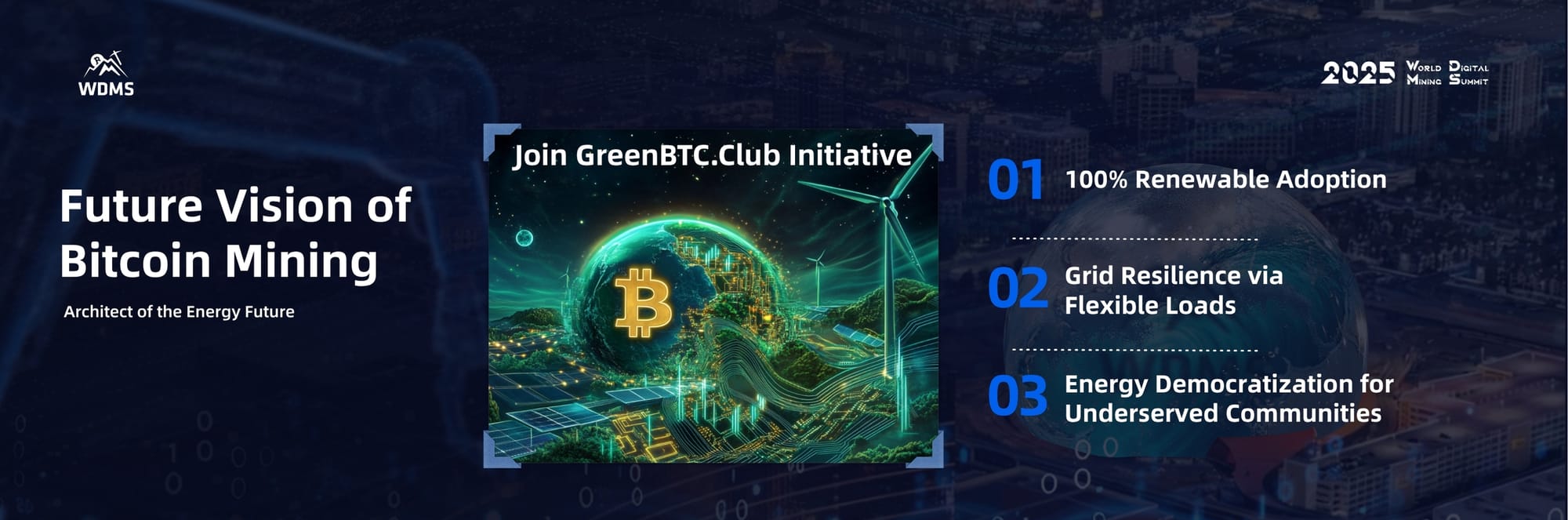
We’ve got momentum. Initiatives like GreenBTC.Club are pushing bitcoin mining for 100% renewable energy, aiming for a carbon-neutral bitcoin network. Governments could help, too—imagine tax incentives for miners using wasted power, or dynamic pricing to reward flexibility. Together, we can make Bitcoin not just the future of money, but the future of energy.

Let’s keep leading this charge—for a sustainable planet, a resilient grid, and a thriving Bitcoin ecosystem. Thank you!