A New Frontier in Practical Infrastructure - DePIN for Impact

Decentralisation will be built device by device, failure is not an abstraction but a livelihood. The result is a simple operational narrative: compact, rugged batteries paired with modest solar, local payment rails and a blockchain settlement layer become a new class of revenue-generating infrastructure. This is not about ideology; it is about units that pay for themselves while delivering measurable social outcomes where national grids are thin or non-existent.
The promise of small things at scale
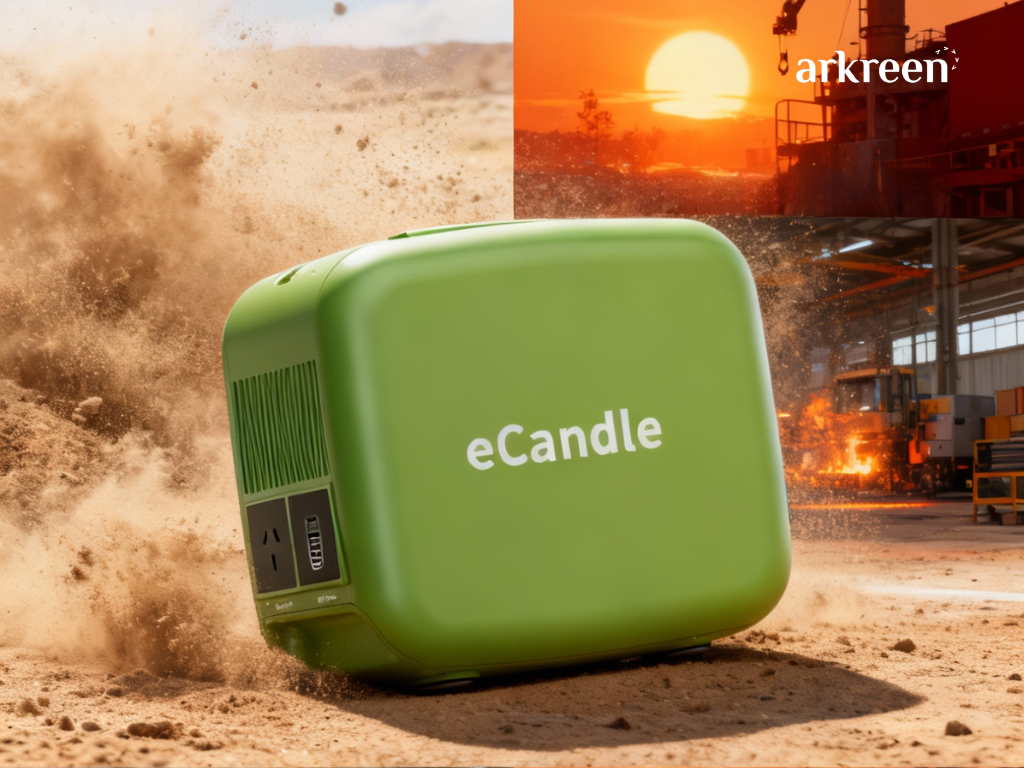
Power markets have long been obsessed with scale in the wrong dimension. Bigger turbines and grand transmission projects are impressive in boardroom slides, but the real leverage sits at the point of use: a shop that can keep its POS alive after sundown, phones opening the access to global participation when being reliably charged, students who can study by reliable light. We chose a battery that tolerates dust, heat and irregular service windows because durability converts engineering optimism into predictable cashflow. Repeatability is the founding principle. When a unit is simple to deploy and simple to maintain, replication follows, and with replication comes portfolio-grade predictability.
An investable infrastructure narrative
Consider each deployed kit as an industrial primitive, not a donation. Hardware, firmware and a local host form a single financial instrument that generates micro-payments every day. Those micro-payments convert into an auditable ledger entry, and those ledger entries form the revenue history that underwrites the next tranche of deployment. For partners who allocate capital against verifiable cashflows rather than promises, the value proposition is obvious: low-cost entry, short operational cycles and compounding adoption within clustered communities. The discipline here is operational excellence, not token rhetoric.
Why this appeals to protocol stewards
Foundations and stewardship boards that steward major blockchain ecosystems are increasingly searching for durable, on-chain utility. Our model speaks directly to that need. Every deployed battery is more than a device; it is a transaction generator that brings routine economic activity onto an on-chain fabric. By routing settlement through a widely used stable instrument, the network of field devices can become a measurable front line for social impact denominated in a real-world unit of account.
On USDT, machine wallets and a hopeful conversation with Tether
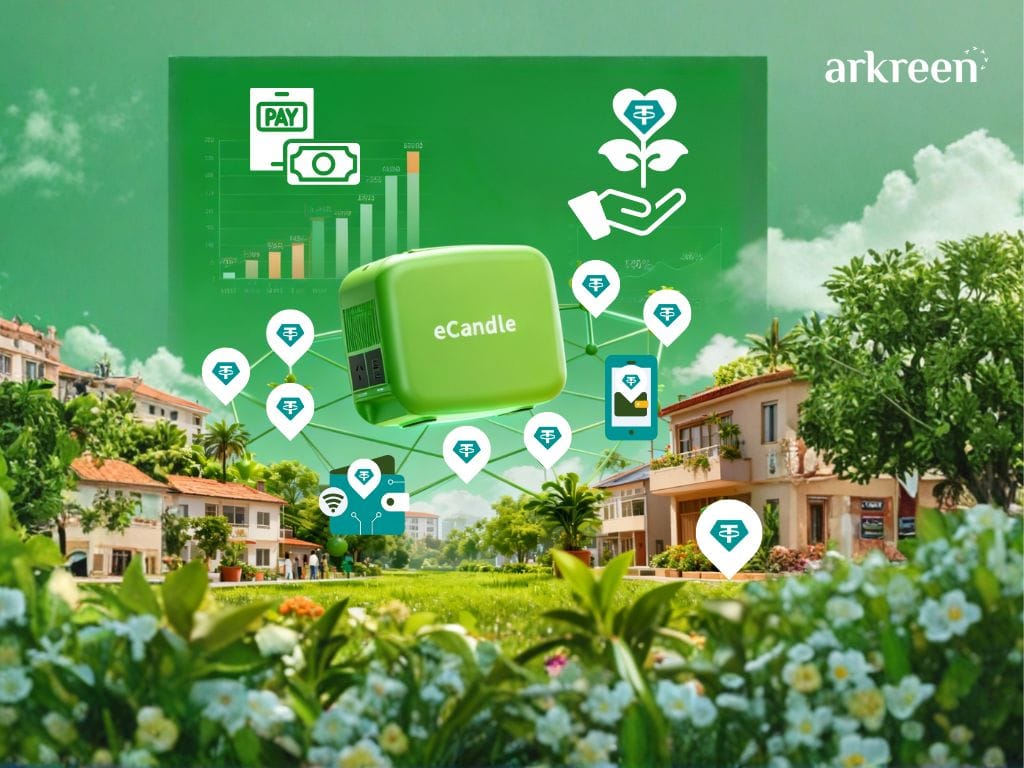
We intend to leverage USDT as the primary settlement instrument for revenue conversion and immediate split distribution. Using USDT reduces friction in local currency conversion and provides a predictable settlement layer for investors and operators alike. More importantly, we are designing for autonomous machine-to-machine wallet interactions where a battery or its edge controller can accept settlement, release energy, and forward revenue splits automatically. In plain terms, each battery is a micropayment node. We hope Tether will view this model as a rare opportunity: large-scale real-world utility that directs stable-value flows to communities while increasing USDT circulation in front-line markets.
A pragmatic embrace of Bitcoin Lightning
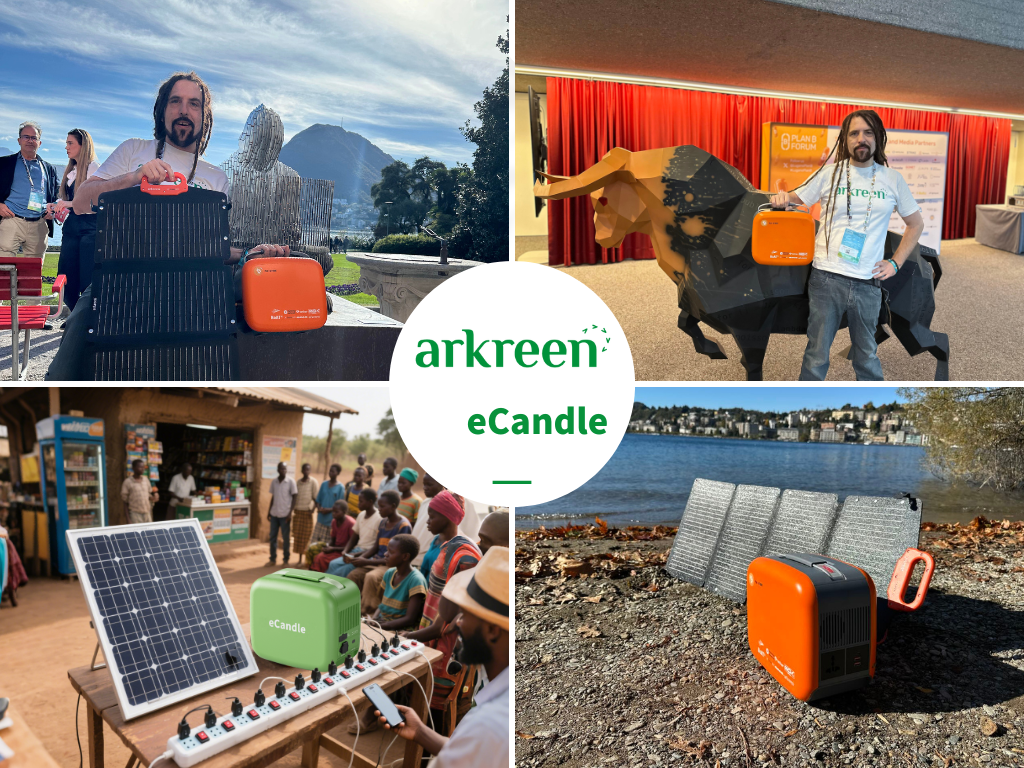
Alongside stable coin rails, we are actively exploring integration with the Bitcoin Lightning network for a second settlement layer. Lightning brings low-latency, low-fee railings and a broad base of financial settlement credibility. We endorse Bitcoin as a fundamental settlement force in the blockchain economy, and Lightning offers pragmatic advantages for micro-settlement use cases that require speed and minimal friction.
Operational truth and the thin margins that matter
Execution lives in the details: customs and last-mile logistics, host selection criteria, technician training and spare-part pipelines. These are the factors that turn concept into compounding deployment. We mitigate those risks by building SOPs, pre-qualifying logistics partners and structuring caretaker agreements that align economic incentives from day one. This operational rigor compresses ramp times, reduces unit downtime and protects cashflow stability.
From single units to aggregated systems
The strategic lift becomes evident when units cluster. Clusters reduce per-unit logistics cost and create aggregation value for demand response, minor grid formation and flexible supply services. Aggregation also opens new monetisation channels for service providers and gives investors larger, securitisable pools of receivables. The pathway from a dozen sites to a portfolio is operational, measurable and repeatable.
What success will feel like
Success will not be a press release. It will be a ledger of uptime percentages, transaction histories that reconcile across local payment rails and stable-coin settlements, and predictable per-kit payback times observed across cohorts. It will be host networks recommending new hosts because the economic case is visible to everyone involved. When these signals line up, the model ceases to be experimental and becomes institutional.
A call for disciplined partners
We are looking for capital providers who value verifiable, transaction-backed returns, payment partners willing to co-design low-fee rails, logistics partners who can guarantee parts flow, and stewardship bodies interested in real-world on-chain utility. Arkreen brings the firmware, the settlement primitives and the operational playbook. What we need now is disciplined partnership to convert field trials into a replicable product that scales.